

Mobilizing a Denomination in Peru
Let me share a story that could be repeated many times over in the experience of the Global Mission Mobilization Initiative (GMMI) during the past five years. It illustrates what can happen when GMMI comes alongside a church network or denomination in the Global South with a practical, step-by-step strategy for mobilizing its own churches and believers for the Great Commission.
GMMI exists as a catalyst for strategic mission mobilization—helping churches and denominations build mission vision, tools, and practices into the ongoing life of their ministry structures rather than treating mobilization simply as an occasional conference, offering, or recruitment effort.
Earlier this year, GMMI expanded the Global Mobilization Institute from its regional branches in Asia, East Africa, and West Africa into Latin America. In June, we hosted our first Spanish-speaking mobilization training schools in Asunción, Paraguay, bringing together ministry leaders from several Latin American nations.
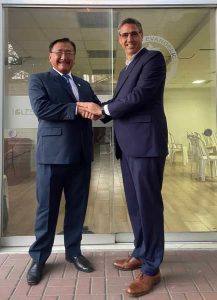
One of those leaders was Helmer Ochante, a 53-year-old pastor from Lima, Peru, who participated in the weeklong School of Mobilization Leadership (SOML). Helmer had recently been appointed National Mission Director of the Iglesia Evangélica Peruana (IEP), a national Peruvian denomination of more than 1,800 local churches organized through 14 Synods and 105 Presbyteries.
Helmer had been given a major responsibility. IEP wanted to move beyond its historic strength in local evangelism and domestic ministry and begin engaging more intentionally in cross-cultural mission, particularly among unreached peoples. But there was a problem.
Helmer had the assignment—but no clear roadmap. How could one national mission director help more than 1,800 churches rediscover their Great Commission responsibility? How could mission become something embraced throughout the denomination rather than carried by a few passionate people?
During the SOML, Helmer began to see a very different picture of mobilization. At one point, he found himself weeping with excitement.
Much of what he had previously understood about mobilization centered on recruiting missionaries. Strategic mobilization is much broader. It involves helping the whole Church rediscover her biblical identity as God’s multiplying, reproducing, missionary people—and then creating practical pathways for ordinary believers and local churches to participate in His global purpose.
Helmer later described the experience as having to “unlearn” some of his previous assumptions about mission and mobilization.
Throughout the week, we explored the paradigm shifts necessary for a denomination to move from simply believing in mission to developing a culture that actively engages in cross-cultural mission. We examined practical tools and strategies that can be reproduced throughout an entire ministry structure.
We also considered why this is especially important today as churches across Africa, Asia, and Latin America increasingly recognize that they are not merely mission fields—they are called to become a mission-sending force.
Helmer began envisioning what this could mean for IEP. Together with IEP’s national president, Pastor Misael, he wanted to see local churches throughout the denomination become what GMMI calls “Great Commission Ministries”—churches intentionally educating, inspiring, and activating their members for participation in Jesus’ Great Commission.
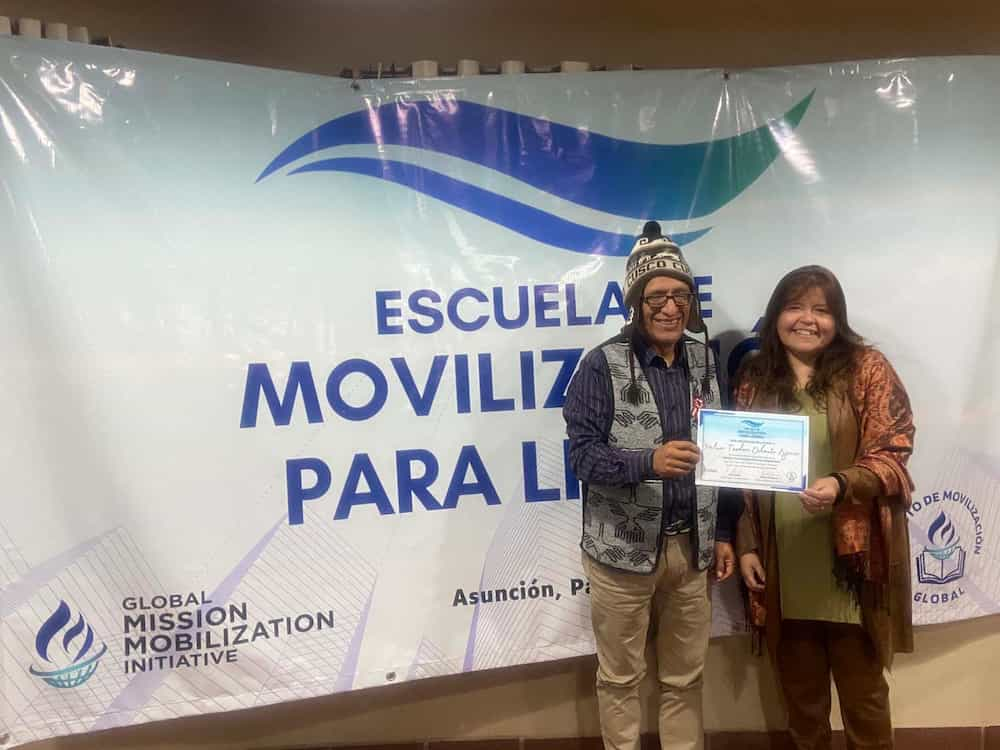
By the end of the SOML, Helmer wanted IEP to formally collaborate with GMMI and begin implementing this mobilization strategy across the denomination.
We were also clear that genuine transformation would not happen overnight. Changing the mission culture of a denomination can take three to five years—or longer. Paradigms change through patient teaching, leadership ownership, practical implementation, and consistent multiplication.
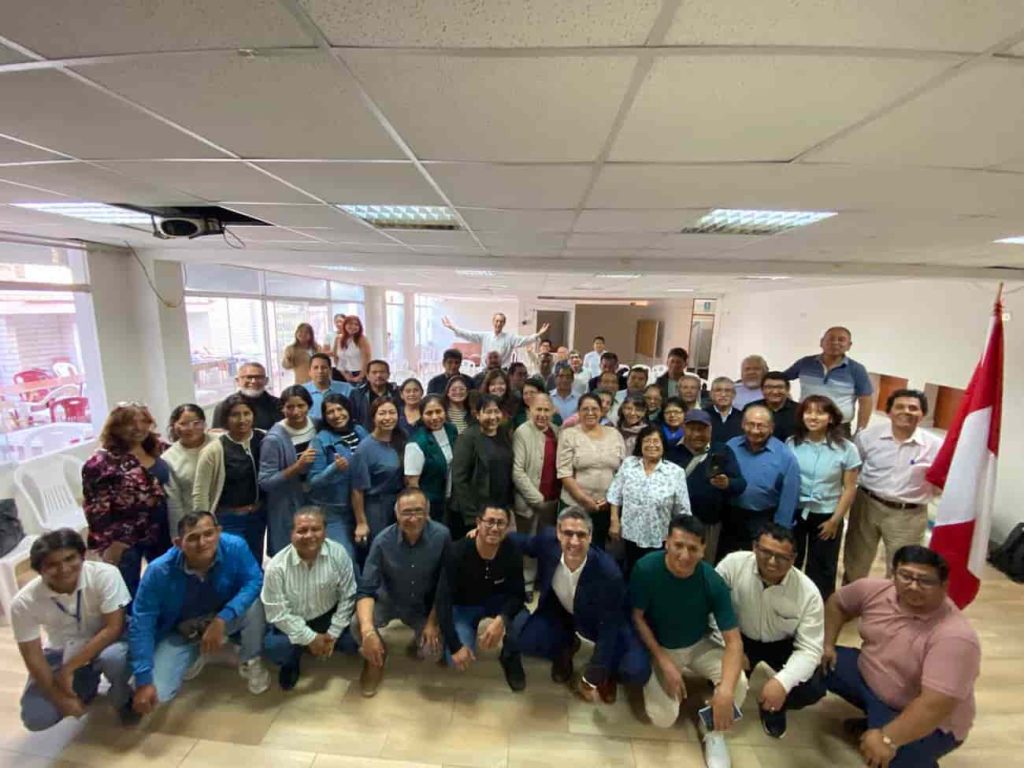
The next step was a Vision Summit. In late September, I traveled with GMMI’s Latin America Continental Facilitator to Lima, Peru, where approximately 65 IEP Synod presidents and Presbytery council leaders gathered together. These were strategic decision-makers who collectively influence IEP’s national structure of 1,800 churches.
During the Summit, we walked them through the mobilization pathway—showing how mission mobilization could spread systematically through IEP, Synod by Synod, Presbytery by Presbytery, and ultimately local church by local church.
The excitement in the room was palpable. Several leaders expressed something we hear repeatedly in different nations: “We’ve wanted to see our churches mobilized, but we’ve never known how to do it.”
That is one of the gaps GMMI seeks to fill. The desire for mission often already exists. What is missing is a practical framework that helps denominational leaders turn that desire into an intentional, multiplying process.
The next stage is already underway. Helmer and several Synod presidents are identifying credible, respected leaders who can serve as Mobilization Coordinators. GMMI will train them to facilitate reproducible Great Commission Seminars in local churches throughout their Presbyteries and Synods.
A Great Commission Seminar is a one-day mobilization event designed to help a local church see God’s global purpose more clearly and take practical steps toward becoming a Great Commission Ministry.
But the seminar is not the final goal. The real goal is what happens afterward.
Local churches begin integrating mission mobilization into their ongoing discipleship life—helping believers understand God’s heart for the nations, discover their own roles in the Great Commission: pray, give, go, welcome, mobilize others, and ultimately send teams to peoples with little or no access to the Gospel.
Mobilization Coordinators then reproduce these seminars across their areas of responsibility. One church becomes ten. Ten becomes fifty. Fifty can eventually become hundreds. Gradually, a denomination that once had little understanding of its role in global mission begins developing an entirely different culture.
Our prayer for IEP is that thousands of believers will become educated, inspired, and activated in their God-given roles in the Great Commission, while increasing numbers of churches begin sending long-term Message Bearer Teams to near-culture and distant-culture unreached peoples.
This is what GMMI means by a Mission Mobilization Movement. And Peru is only one example.
Across Asia, Africa, and Latin America, GMMI is walking alongside denominations and church networks at different stages of this same journey. Again and again, we meet leaders who desire to see their churches engaged in mission but need biblical vision, practical tools, and a reproducible strategy to mobilize their own people.
Imagine this process multiplied—not only across one denomination of 1,800 churches in Peru, but across hundreds of denominations throughout the Global South.
Thousands of local churches rediscovering their Great Commission identity. Millions of ordinary believers recognizing their role in God’s global purpose. And new streams of workers being sent from nations once viewed primarily as mission fields.
That is the vision we are pursuing. By God’s grace, may stories like IEP become increasingly ordinary as the global Church is awakened, equipped, and mobilized to take her full place in the fulfillment of Jesus’ Great Commission.